Glenneis Kriel

Glenneis Kriel is a senior agricultural journalist for Farmer's Weekly. Her ventures into agricultural journalism started out by chance, more than 20 years ago, when someone suggested she freelance for the magazine, which turned out to be her dream job. Her passion is to write stories that inspire greatness and make people evaluate the way they are doing things.
Latest articles
Five checks that could save sheep from costly losses
A dirty tail, pale eyelid or swollen jaw may be the first warning that parasites are already eating into a flock’s health and profitability. By the time sheep lose condition or start dying, the problem may have become far more difficult and expensive to control.

Hoverflies take flight in SA as back-up crop pollinators
With honeybee pollination services under growing pressure and South African growers increasingly concerned about hive availability, commercially reared hoverflies are being tested as an additional pollination tool for high-value fruit and seed crops.
Grain SA calls for affordable crop insurance as dry weather threatens Swartland wheat
Severe rainfall shortages threatening the Swartland wheat crop have highlighted the need for government support to make crop insurance affordable for dryland producers.
Creating optimum growing conditions for strawberries
Whether strawberries are grown in a high-tech greenhouse or on raised beds in open fields, the production principles remain the same: create optimum growing conditions for the plant, and it will reward you with big, firm, flavourful fruit.
Mecia Petersen: leading before feeling completely ready
Just over two years after entering the industry, Mecia Petersen was appointed CEO of the South African Table Grape Industry (SATI). She spoke to Glenneis Kriel about taking a chance, growing into leadership, and why women should not wait until they feel completely ready to pursue an opportunity.
SA’s small strawberry industry packs high value
South Africa produces an estimated 33 000t of strawberries annually from around 740ha, with growers facing establishment costs of up to R2 million/ha and labour accounting for as much as 45% of production costs.

Finance and partnerships key to unlocking agribusiness export growth
With weak domestic spending limiting agricultural growth, South African agribusinesses will increasingly need to access export markets to expand. However, turning those opportunities into viable projects will require access to finance, risk protection, and stronger partnerships.
Catch dry-cow problems before they get out of hand
The dry period plays a major role in determining a cow’s health, fertility, and productivity after calving. Detecting and addressing problems at this stage can reduce post-calving disease and involuntary culling, limit milk losses, and improve reproductive performance.
Making every drop count on a Tuli Block farm
In Botswana’s Tuli Block, where farmers measure every millimetre of rain, Manjo Stiglingh has transformed almost 5ha of veld into a thriving food forest. She spoke to Farmer’s Weekly about harvesting water, rebuilding soil, and designing a resilient farming ecosystem.
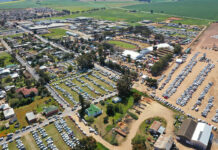
Swartland Show is a showcasing and solution platform
The 92nd Swartland Show will take place from Wednesday, 2 September, to Saturday, 5 September 2026, at the Moorreesburg Showgrounds in the Western Cape.
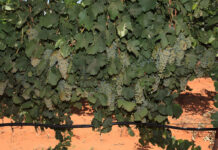
What SA’s most profitable wine farmers get right
Vinpro’s latest cost guide shows that long-term profitability is less about cutting costs than making every vineyard decision count. Yolandi Botha, an agricultural economist at Vinpro Agricultural Economic Service, spoke to Glenneis Kriel about this.
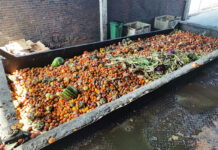
The cold chain: agriculture’s missing profit link
Lowering field temperature as soon as possible after picking, along with better on-farm cooling and storage, can help farmers protect quality, retain market options, and reduce post-harvest losses of fruit and vegetables.

‘Organised agriculture is key to navigating change’ – Agri Western Cape
Strong producer organisations, effective public-private partnerships, and functioning infrastructure will be critical if South African agriculture is to withstand mounting economic, climatic, and biosecurity risks.
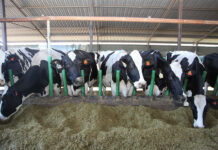
Dairy management: today’s decisions could shape future generations
At the 12th DMC Hollard Conference, held on 11 August in Durbanville in the Western Cape, speakers urged dairy farmers to use data and early intervention to prevent production, health, and fertility losses before they become visible or affect future generations.
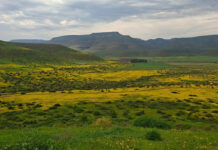
Dry winter takes its toll on Western Cape crops and veld
Exceptionally dry conditions in June and July have affected wild flowers, grazing, and crops across parts of the Western Cape, despite the province’s relatively healthy dam levels.

South African Preserve Championships attracts record 700 entries
From traditional peach preserves to spekboom chutney and olives stuffed with cashew nuts, local producers showcased the country’s culinary heritage and flair for innovation at this year’s South African Preserve Championships.
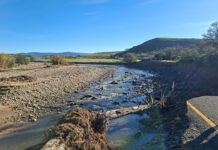
Western Cape flood repair bill expected to exceed R2bn
Repairs to the Western Cape’s flood-damaged provincial road network are expected to cost more than R2 billion, but emergency funding is yet to be confirmed, and full recovery could take several years.
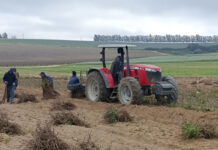
Searching for the vines of the future
Faced with a warmer climate and growing pressure to farm more sustainably, Bosman Adama is looking beyond South Africa’s conventional wine grape cultivars for vines better suited to future conditions.

Tax ruling against citrus producer could affect other farmers
A Western Cape High Court ruling that money placed in a structured self-insurance account is not tax-deductible could have implications for farmers using similar products and diminish the appeal of a tool designed to help agribusinesses build reserves against climate, disease, and market-related losses.
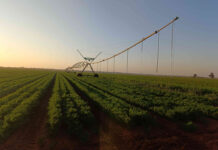
Protecting the harvest: Botswana farmer defends seasonal restrictions
Botswana’s vegetable import restrictions are often criticised as protectionist and disruptive to regional trade. But farmer Manjo Stiglingh says South Africans need to understand the size and dynamics of Botswana’s market, and why local growers regard seasonal protection as important for investment, food security, and job creation.